Container House Lifespan: How Long Does a Steel Prefab House Really Last?
“How long will it last?” is usually the first question a buyer asks after price — and for good reason. A container house is a steel structure, and the biggest fear most first-time buyers have is that it’s really just a modified shipping container that will rust out in a few years. The honest answer is that container house lifespan isn’t a single fixed number. It depends on the steel treatment, the wall panel material, the climate the unit sits in, and how it’s maintained — and understanding these factors is what separates a unit that lasts 8 years from one that lasts 20.
What Actually Determines Container House Lifespan
1. Steel Frame Quality and Coating
The frame is the backbone of the structure, and its corrosion protection is the single biggest factor in container house lifespan. Bare, uncoated steel can start showing rust within a few years in a humid or coastal environment. Hot-dip galvanized steel, by contrast, forms a zinc layer that corrodes roughly 30 times slower than bare steel, and continues protecting the metal even where a scratch or drill hole exposes the surface underneath — the zinc sacrifices itself first. This is why reputable manufacturers specify galvanized or coated channel steel for the frame rather than plain mild steel, and why a properly built steel frame can realistically support a normal service life of 15+ years even before any maintenance is factored in.
2. Wall Panel Material and Thickness
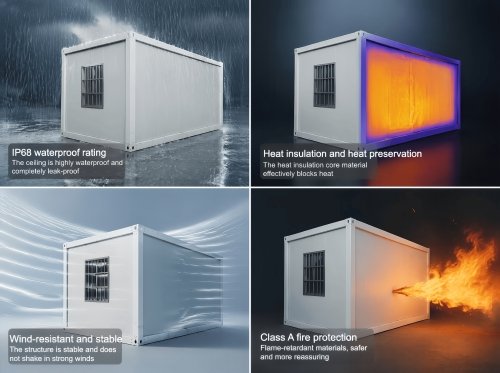
The frame carries the structural load, but the wall panels are what buyers actually live and work inside — and they age differently than the frame. Sandwich panels filled with rock wool, EPS, PU, or PIR resist moisture and temperature swings better than thin, uninsulated sheet metal. Panel thickness matters too: a wall built for a short-term site office doesn’t need the same spec as one built for multi-year worker accommodation in a hot, humid climate.
3. Climate and Site Conditions
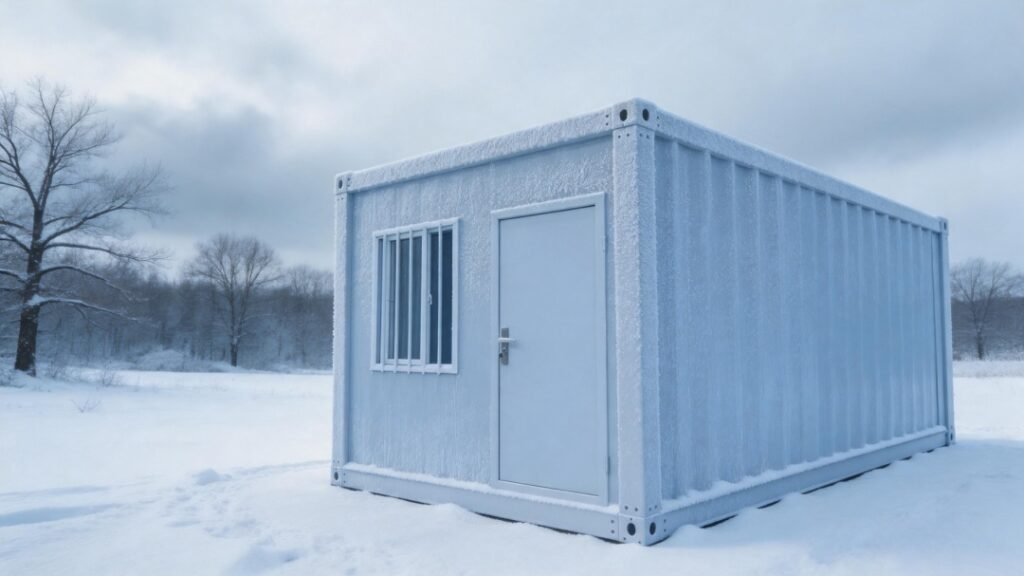
The exact same unit will age very differently depending on where it sits. Coastal sites bring salt air, which accelerates corrosion two to three times faster than an inland location. Desert sites bring intense UV exposure and large day-to-night temperature swings that stress seals and joints. High-humidity regions create constant condensation risk inside wall cavities if ventilation isn’t planned for. None of this means a container house can’t handle harsh environments — it means the anti-corrosion spec should match the environment, not the other way around.
4. Assembly Method and Structural Type
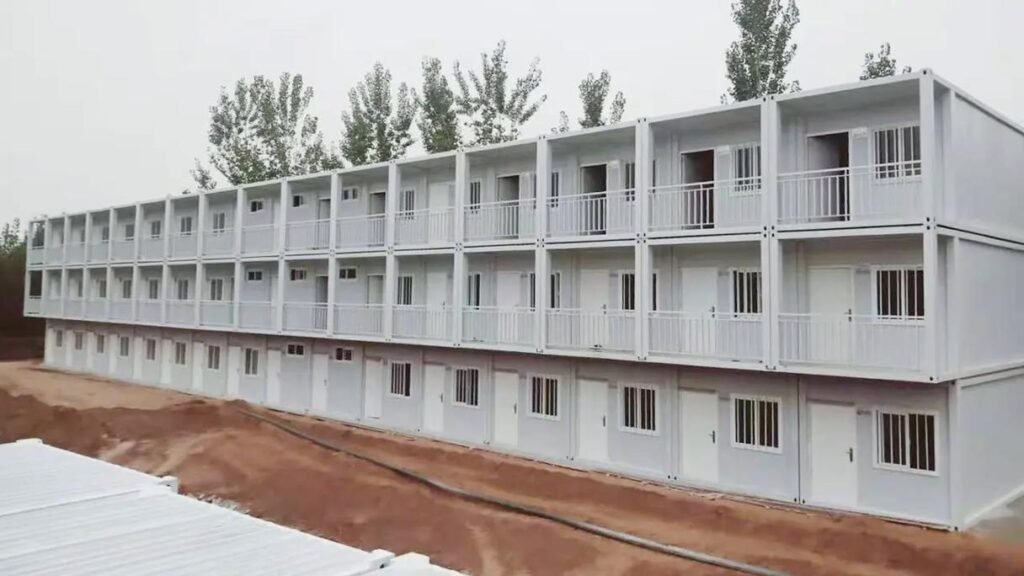
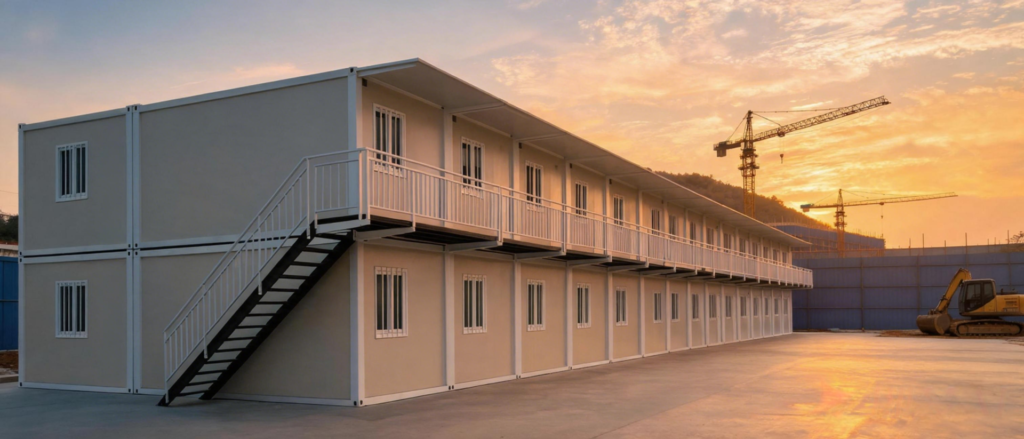
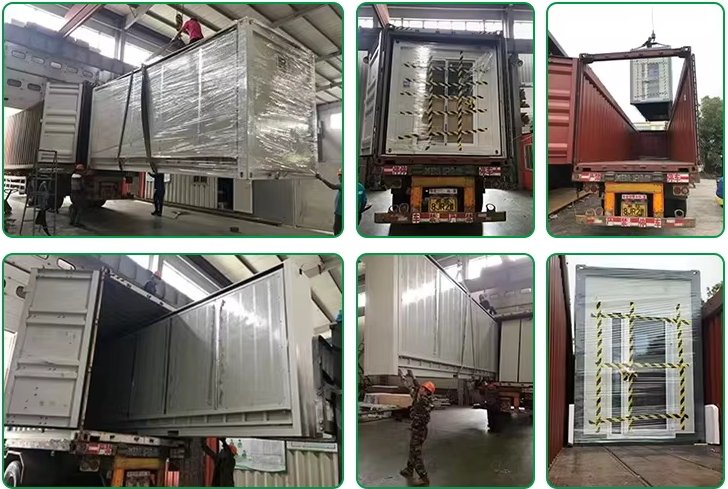
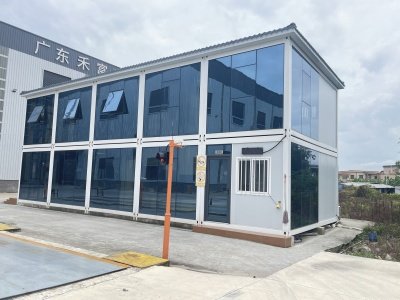
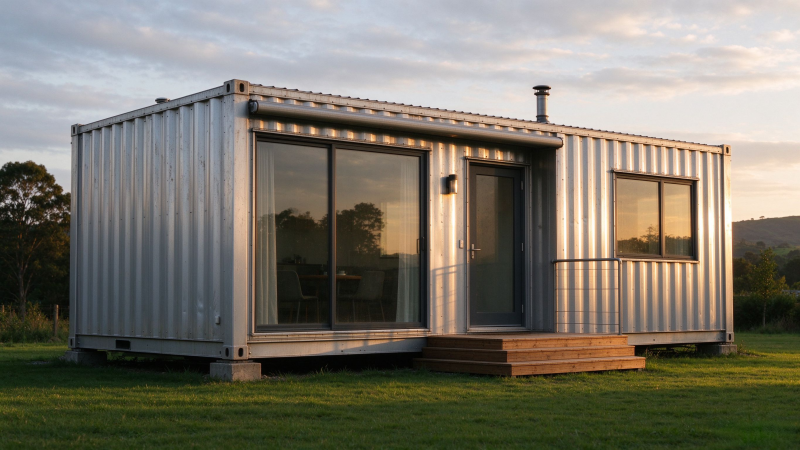
Different structural types carry slightly different durability profiles. An assemble container house, bolted together rather than welded, is easy to inspect and re-tighten over its service life, and units can be disassembled and reused on a future site rather than scrapped. A corrugated panel container house adds a ribbed steel exterior skin that resists denting and general wear better than a flat panel, which matters for units exposed to rough handling or heavy foot traffic over the years.
5. Maintenance — the Factor Buyers Most Often Skip
A container house is not maintenance-free, but the maintenance it needs is simple and predictable compared with traditional construction. Because the structure is exposed rather than hidden behind plaster or drywall, problems are easier to catch early: checking bolted joints, touching up any worn paint on the frame, clearing roof drainage paths, and replacing door and window seals before they harden and let water in. Most of the failures that cut a container house’s lifespan short trace back to skipped maintenance, not a structural defect.
Questions to Ask Before You Buy — Not Just “How Many Years?”
A supplier quoting a headline number — “15 years,” “20 years,” whatever it is — without backing it up isn’t giving you enough to compare against another quote. Better questions to ask are:
- What steel grade and coating method is used for the frame — is it hot-dip galvanized, and to what thickness?
- What is the wall panel material and thickness, and is it rated for my climate (coastal, desert, high-humidity)?
- How are the roof and window/door seals designed, and what’s the expected seal replacement interval?
- Can you show welding inspection or material certification for a past project in a similar environment to mine?
These details are easier to verify than a general lifespan promise, and a supplier who can walk through them in specifics is usually a safer long-term partner than one who just repeats a headline number.
Matching the Right Unit to Your Project’s Lifespan Needs
If your project needs multi-year worker housing or a permanent-feeling site office, it’s worth speccing up rather than defaulting to the cheapest configuration — the cost difference between standard and upgraded anti-corrosion treatment is small compared with the cost of replacing panels or frames years earlier than planned. Browse E-TOM’s full range of prefab container house solutions to compare frame and panel specifications, or contact us with your project’s climate and expected duration — we’ll recommend the steel treatment and panel spec that actually fits your site instead of a one-size-fits-all answer.