Common issues with container houses and How to Solve Them?
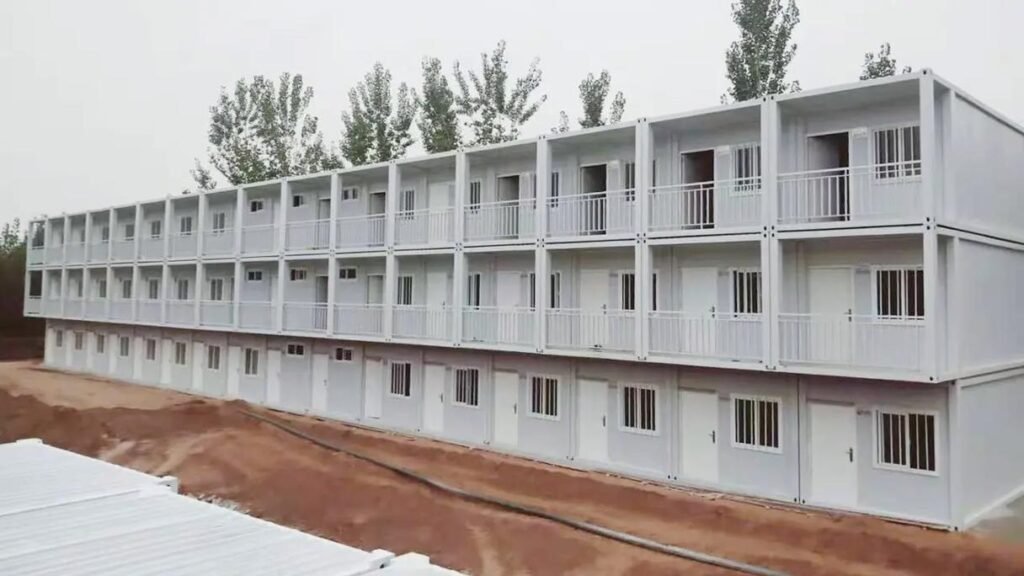
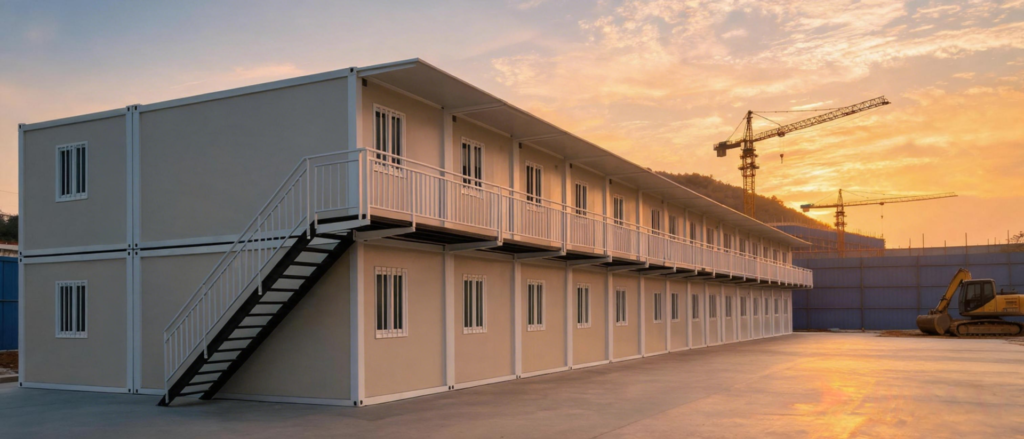
Container houses have become increasingly popular for residential, commercial, and project camp applications due to their fast installation, affordability, and flexibility. However, many customers still have concerns about their performance and durability. Understanding these common issues and knowing how to address them can help ensure a comfortable.
1. Poor Thermal Insulation
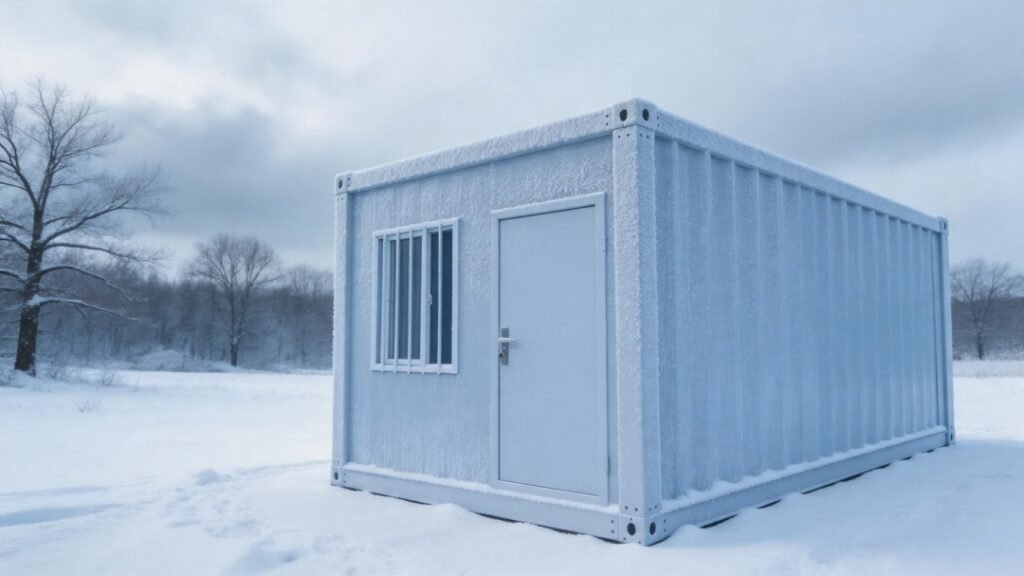
One of the most common concerns about container houses is heat and cold insulation. In areas with extremely hot summers or cold winters, inadequate insulation can affect indoor comfort and increase energy consumption.
Solution
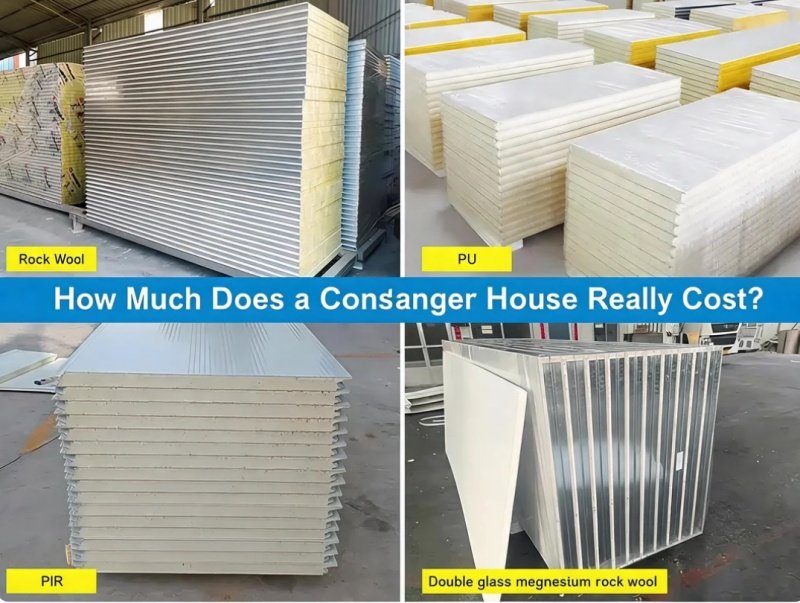
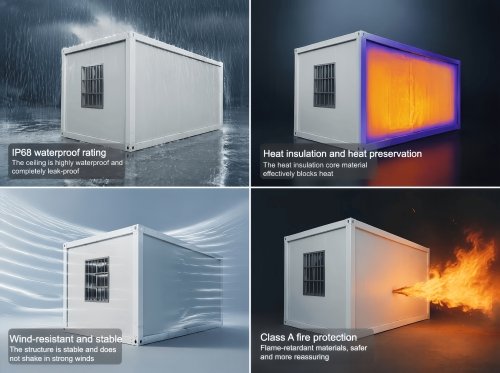
High-quality container houses use insulated sandwich panels with EPS, rock wool, or PU insulation materials. Selecting the appropriate wall and roof thickness based on local climate conditions can significantly improve thermal performance and reduce energy costs.
2. Water Leakage Problems
Improper sealing or poor manufacturing quality may lead to water leakage during heavy rain, especially around roof joints and doors.
Solution
Using galvanized steel structures, waterproof roofing systems, and high-quality sealants can effectively prevent leakage. Regular inspections and proper installation also help maintain long-term waterproof performance.
3. Corrosion and Rust
Container houses installed in coastal or humid environments may experience corrosion over time if low-quality steel materials are used.
Solution
Choosing hot-dip galvanized steel frames and applying anti-corrosion coatings greatly improves durability. Periodic maintenance and surface treatment can further extend the service life of the structure.
4. Limited Space
Some users worry that container houses provide limited living or working space compared to traditional buildings.
Solution
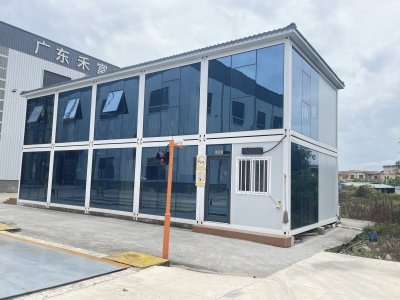
Modern modular designs offer flexible layouts and expandable options. Double-wing expandable container houses and multi-unit combinations can create spacious offices, dormitories, shops, and residential spaces that meet various requirements.
5. Noise Insulation Issues
External noise can affect comfort, particularly in busy construction sites, mining camps, or urban environments.
Solution
Rock wool sandwich panels and double-glazed windows provide excellent sound insulation. Additional interior materials can further reduce noise and improve indoor comfort.
6. Short Service Life Concerns
Many people mistakenly believe that container houses are temporary structures with limited durability.
Solution
High-quality modular buildings manufactured with galvanized steel and premium materials can last more than 20 to 30 years with proper maintenance. Regular inspections and timely repairs help maximize their lifespan.
7. Transportation and Installation Challenges
Large structures may be difficult to transport or require extensive labor during installation.
Solution
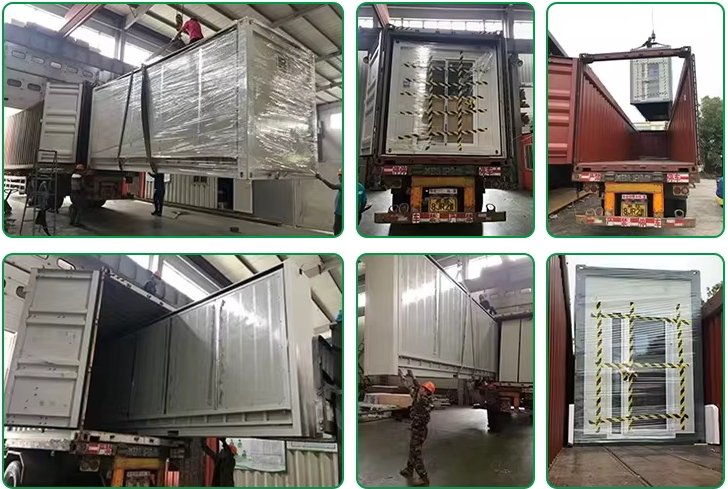
Foldable container houses and flat pack container houses are designed to simplify transportation and reduce installation time. Modular components can be assembled quickly, saving labor costs and accelerating project schedules.