Container House Insulation: How to Stay Comfortable Year-Round
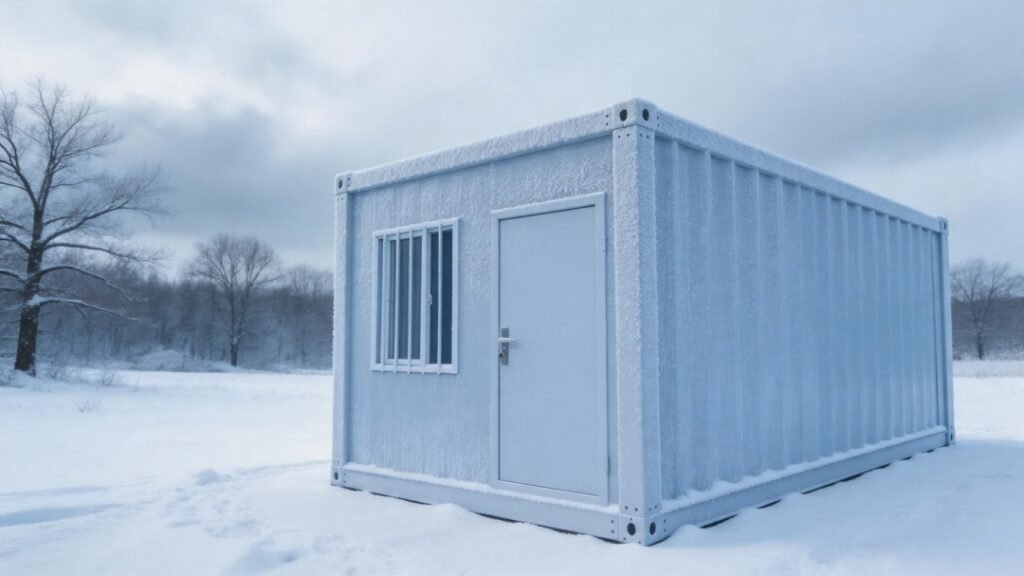
Isn’t a metal box going to be an oven in summer and a freezer in winter?”is one of the first objections almost every first-time buyer raises — and it’s a fair one. Bare steel conducts heat far faster than a brick or concrete wall, so an uninsulated container really would be uncomfortable in most climates. The difference between a container house that feels like a metal box and one that feels like a real home comes down almost entirely to container house insulation: the wall and roof panel system built into the structure before it ever leaves the factory.
Why Steel Needs Proper Insulation
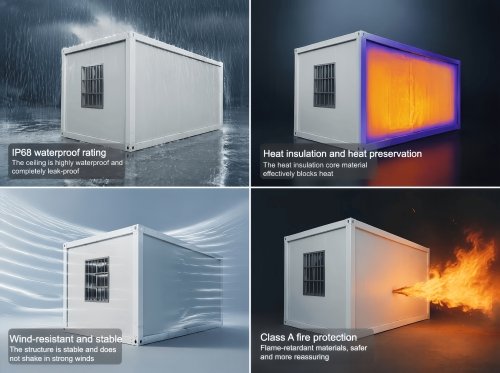
Steel is what’s called a thermal bridge — it transfers heat in and out of a building far faster than most conventional materials. Without insulation, a steel-framed structure will track the outdoor temperature closely: hot at midday, cold overnight. Good container house insulation breaks that thermal bridge by sandwiching an insulating core between two steel skins on every wall, roof, and often floor panel, so the interior temperature stays far more stable than the steel exterior.
The Main Container House Insulation Materials
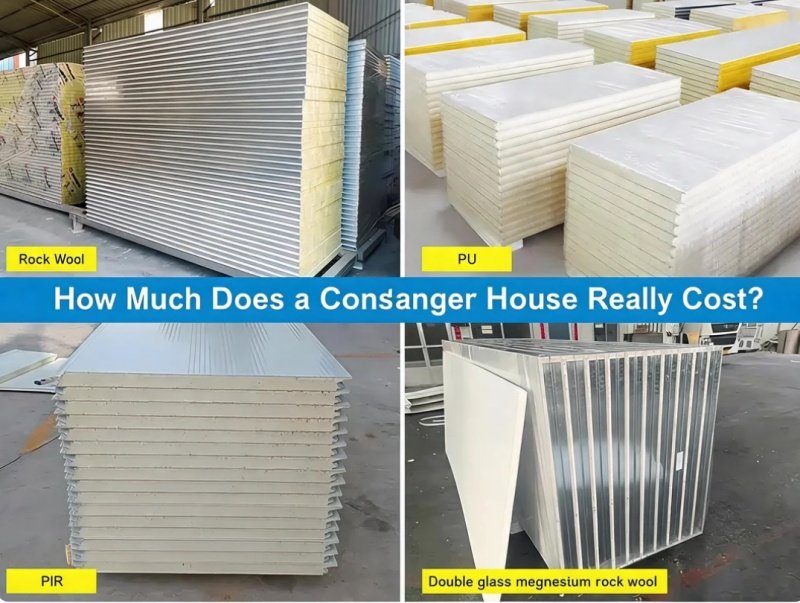
Manufacturers typically build container house insulation from one of four core materials, each with a different tradeoff between thermal performance, fire safety, and cost.
Rock wool is made from spun basalt fiber and is the most common choice for worker camps, offices, and dormitories because it’s non-combustible and performs consistently across a range of climates. It’s often the default spec where fire safety codes are strict.
Polyurethane (PU) foam has the highest thermal resistance per millimeter of thickness of the common options, which makes it especially effective in hot climates or wherever wall thickness needs to stay slim. It also forms a continuous barrier that resists moisture better than fiber-based materials.
EPS (expanded polystyrene) is the most budget-friendly option and still provides meaningful insulation for mild climates or shorter-term projects, which is why it remains common in cost-sensitive builds.
Glass wool sits between rock wool and EPS on cost, and adds useful sound-dampening on top of thermal performance — a detail worth considering for units near generators, traffic, or shared partition walls.
Matching Panel Thickness to Your Climate
Thicker isn’t automatically better — it’s about matching the panel to how extreme the climate is and how long the unit will be in service. As a general guide:
- 50mm panels suit mild climates and short-term or seasonal use
- 75mm panels are a common mid-range spec for most worker accommodation and offices
- 100mm panels are worth specifying for extreme heat, extreme cold, or long-term/permanent use, where the extra insulation pays for itself in lower cooling or heating costs over the unit’s lifespan
Buyers in hot, high-UV regions often pair thicker roof insulation with a reflective layer under the roof panel, since roof heat gain is usually the biggest contributor to indoor discomfort in a single-story steel structure.
Ventilation Matters as Much as Insulation
Insulation alone isn’t the whole story — a well-insulated but poorly ventilated container house can trap humidity, leading to condensation on the inside of the steel skin. Over time that trapped moisture can encourage mold and, ironically, accelerate corrosion of the very steel the insulation is meant to protect. A properly designed container house pairs its insulation with air paths or vents that let moisture escape rather than build up inside the wall cavity, which is worth specifically asking your supplier about if you’re placing units in a humid climate.
Questions Worth Asking Before You Order
Two suppliers quoting “insulated panels” can mean very different things. Before comparing prices, it’s worth asking:
- What core material and what thickness — 50mm, 75mm, or 100mm?
- Is roof insulation specified separately from wall insulation, since roof heat gain is usually the bigger issue?
- Is there a ventilation or vapor-barrier detail to prevent condensation inside the panel?
- Has this configuration been used in a climate similar to mine before?
Building the Right Structure for Your Climate
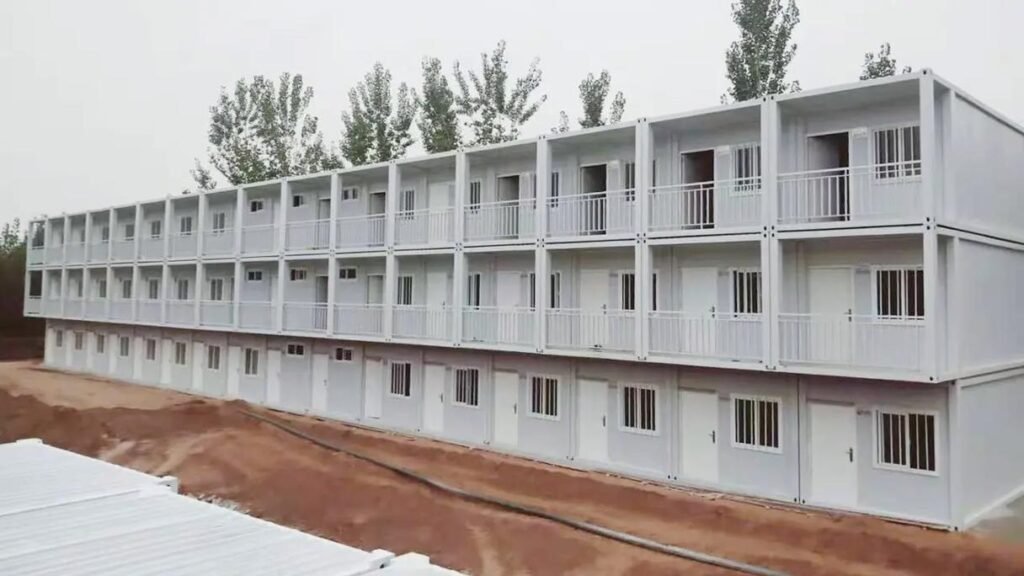
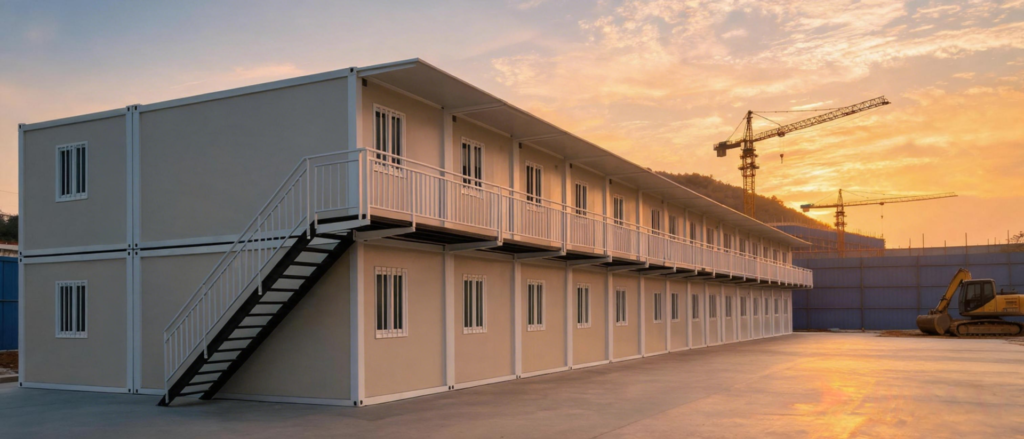
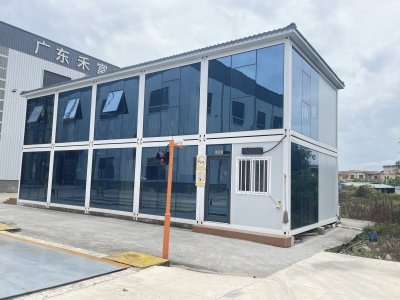
Insulation performance also depends on how the structure itself is built. E-TOM’s assemble container house range uses bolted steel-frame construction with sandwich panel infill, making it straightforward to specify the panel core and thickness per project, while the corrugated panel container house line pairs the same insulation options with a more durable corrugated exterior skin for harsher outdoor conditions. You can compare the full prefab container house lineup, or contact E-TOM with your project’s climate and intended use — we’ll recommend the insulation material and thickness that actually fits your site rather than a generic default.