Understanding Container House Problems and How to Solve Them Effectively
Container House Problems Overview
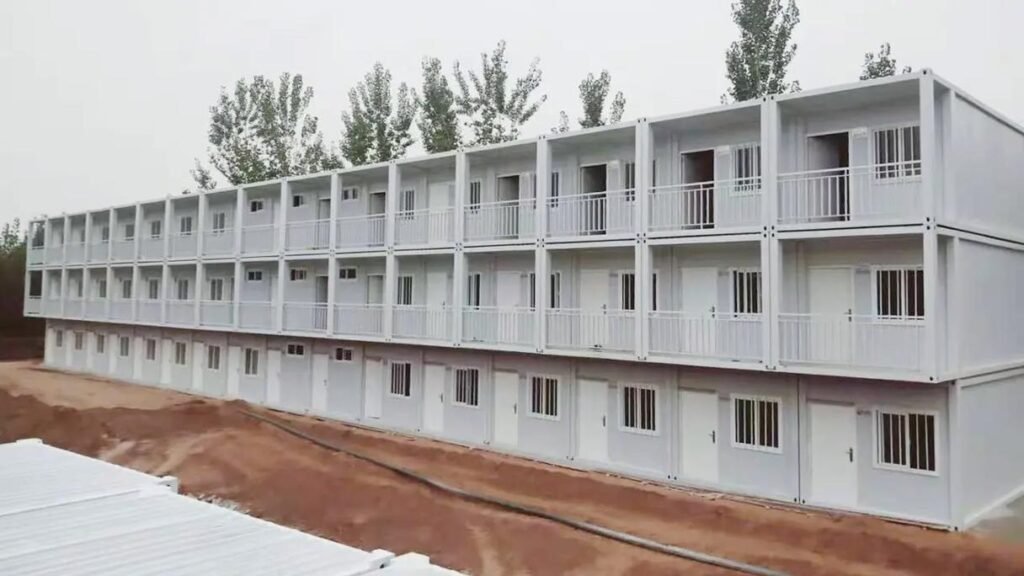
Container houses have become widely used in construction camps, residential projects, and commercial applications due to their fast installation and cost efficiency. However, users often face several Container House Problems that may affect comfort, durability, and long-term performance.
Understanding these issues helps buyers choose better-quality modular solutions and avoid unnecessary maintenance costs.
Thermal Insulation Problems in Container Houses
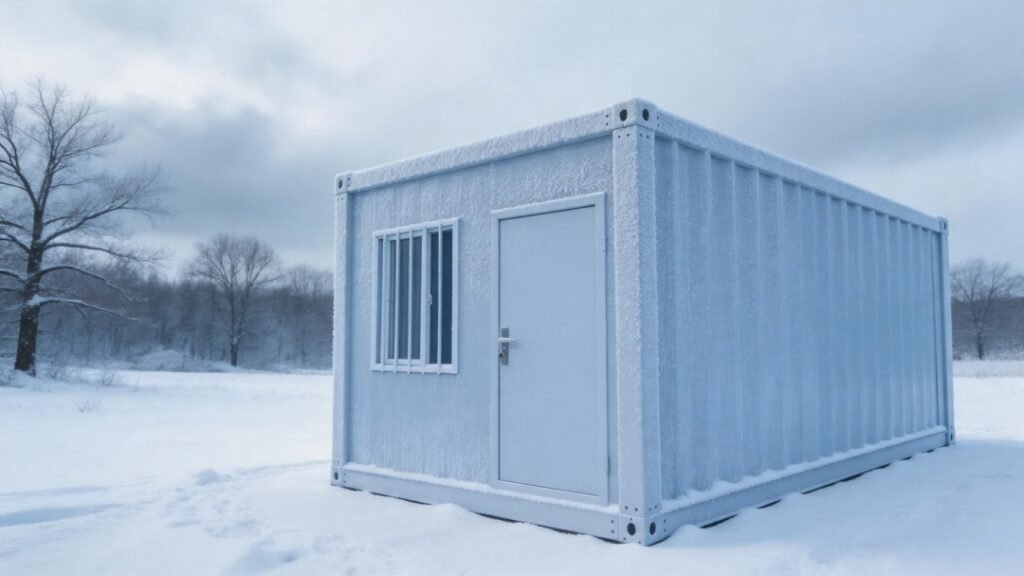
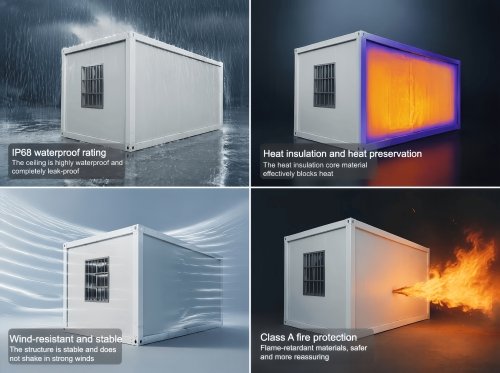
One of the most common Container House Problems is poor thermal insulation. Because steel structures conduct heat easily, indoor temperatures can become uncomfortable in extreme weather conditions.
Why Container House Insulation Problems Occur
Thin wall panels or low-quality insulation materials often fail to block external heat or cold effectively. This leads to unstable indoor environments and higher energy usage.
How to Solve Container House Insulation Problems
Using high-quality sandwich panels such as EPS, rock wool, or PU panels can significantly improve insulation performance. Selecting the correct wall and roof thickness based on local climate conditions is essential for reducing Container House Problems related to temperature control.
Water Leakage Problems in Container Houses
Water leakage is another frequent issue, especially in areas with heavy rainfall or poor installation practices.
H3 Causes of Container House Leakage Problems
Leakage often occurs around roof joints, door frames, or weak sealing areas when inferior materials or improper installation methods are used.
Solutions for Container House Waterproof Problems
High-quality galvanized steel structures combined with professional waterproof sealing systems can effectively prevent leakage. Proper installation and routine maintenance further reduce Container House Problems related to water intrusion.
Rust and Corrosion Problems in Container Houses
Metal structures are naturally exposed to corrosion risks, especially in coastal or humid environments.
Why Container House Rust Problems Happen
Low-quality steel or lack of protective coating can cause rust over time, weakening the structure and reducing its lifespan.
How to Prevent Container House Corrosion Problems
Hot-dip galvanized steel and anti-corrosion coatings are essential for long-term durability. Regular inspection and maintenance help eliminate Container House Problems caused by rust.
Space Limitations in Container House Design
Some users believe container houses are too small or limited in layout compared to traditional buildings.
How Modular Design Solves Container House Space Problems
Modern modular systems allow flexible combinations and expandable designs, such as double-wing expandable container houses or multi-unit layouts, which significantly improve usable space.
Durability and Lifespan of Container Houses
There is a common misunderstanding that container houses are temporary and not durable.
How Long Do Container Houses Last
High-quality container houses made with galvanized steel and premium materials can last 20–30 years or even longer with proper maintenance.
Improving Container House Durability Problems
Regular maintenance, quality materials, and professional manufacturing standards help eliminate long-term Container House Problems and extend service life.
Transportation and Installation Issues
Transportation and on-site installation can sometimes be challenging for large modular structures.
How Flat Pack and Foldable Designs Solve Installation Problems
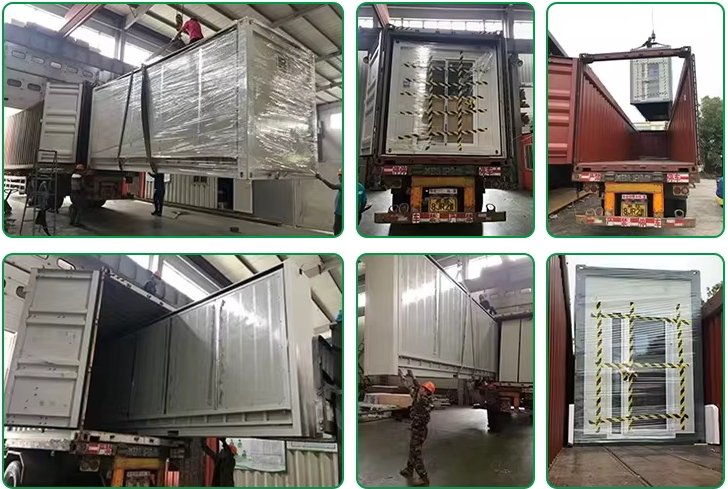
Flat pack container houses and foldable container systems greatly reduce transportation volume and installation time, making construction faster and more efficient.